

Payment Reminders
Timely credit payments are crucial for maintaining a strong credit score. Clients can simplify this process by enrolling in automatic payments, either through their credit card or loan providers, allowing payments to be automatically debited from their accounts. Additionally, many banks’ online banking platforms offer payment reminders via message or email, notifying clients when their next payment is due. These tools can help individuals manage their credit obligations effectively and support healthy credit scores.
Consolidation Firms
Before offering loans, consolidation firms thoroughly review a customer’s financial records to establish appropriate terms. This process highlights that a low credit score doesn’t necessarily prevent someone from obtaining a mortgage. Even with a poor credit score, consolidation companies can provide access to funding, especially when assets are available to use as collateral in place of credit. This flexibility allows individuals with less-than-ideal credit to secure the funds they need.
Reducing the Debt Amount Owed
To improve a credit score, reducing outstanding credit card balances should be a priority. This starts with minimizing or stopping credit card use, allowing individuals to focus on paying down existing debt. Regularly reviewing a detailed credit report can help keep track of all accounts and their interest rates, providing insights for a strategic payment plan. Prioritizing payments toward high-interest credit cards while maintaining minimum payments on other accounts is an effective way to manage debt within budget constraints. Rather than moving debt from one card to another, paying off credit card balances in full is the most impactful strategy to enhance a credit score, making debt reduction a top financial priority.
Updating the Credit Report
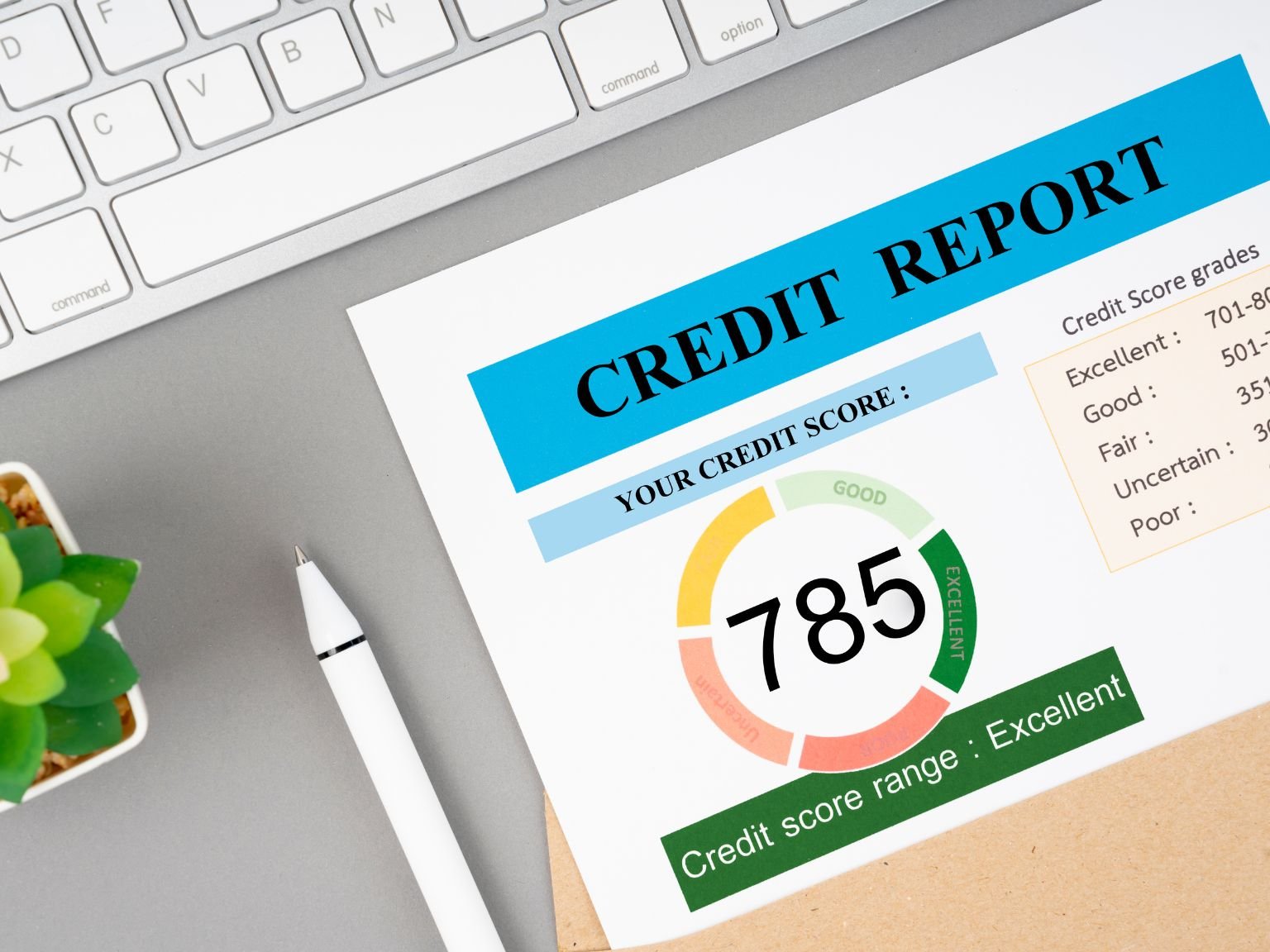
A credit report contains essential information for calculating a credit score but may sometimes include errors. Consumers are entitled to request a copy of their report to verify accuracy, ensuring there are no late payments or incorrect balances. Any discrepancies should be promptly disputed with the credit bureau.
In summary, maintaining a consistent and clean credit history requires careful expense tracking and adherence to best practices for reducing errors in credit reports. This diligence not only helps sustain a healthy credit score but also facilitates easier access to financing when needed.


