
Pros of Debt Settlement Programs
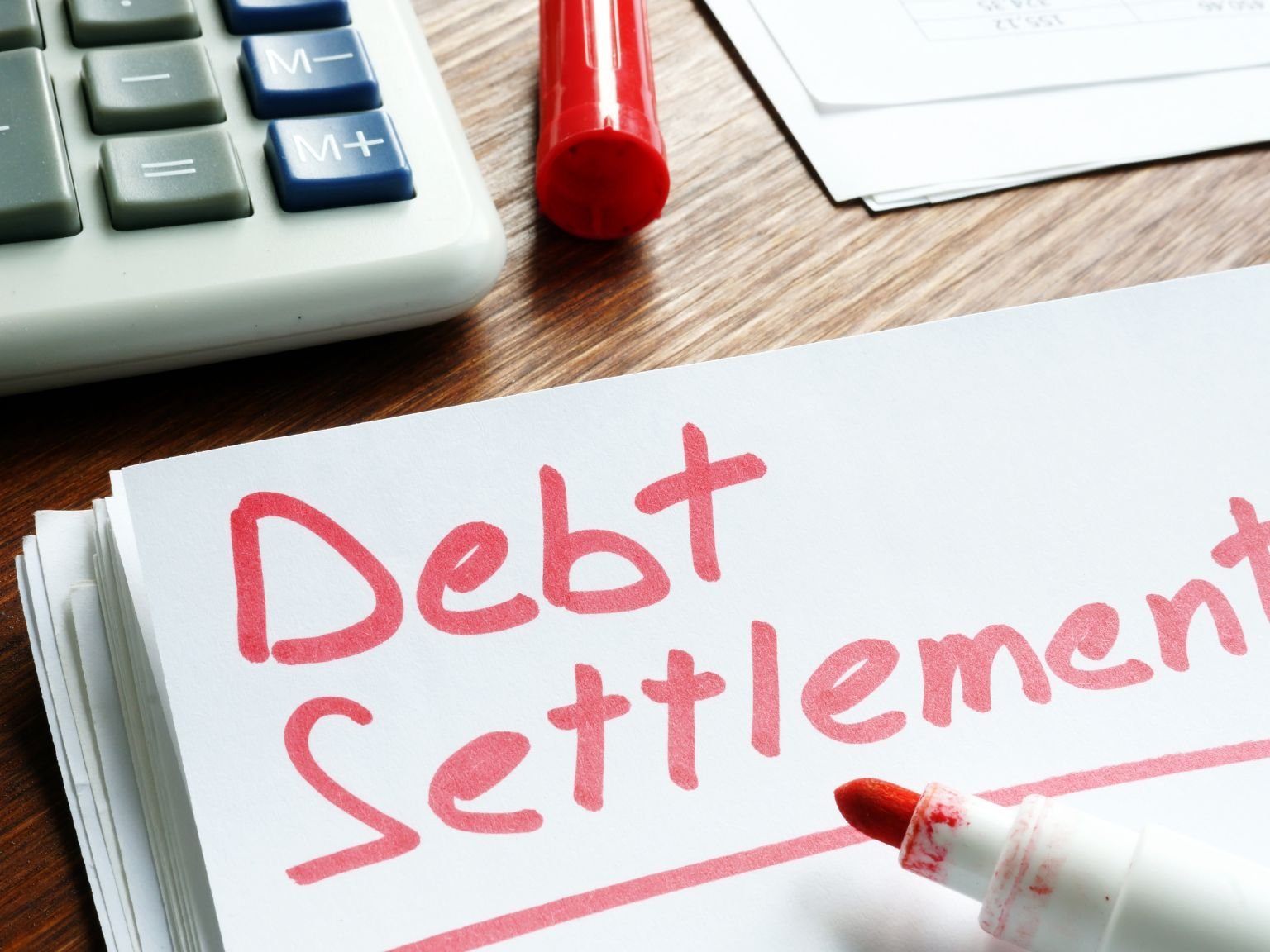
Debt settlement can be a beneficial option for individuals struggling to keep up with monthly payments. One of the key advantages of debt settlement, especially when working with professional debt settlement agencies, is the possibility of paying less than the full amount owed to creditors. Through negotiations, the remaining balance may be reduced by a significant amount—sometimes as much as 50% of the original debt.
Debt settlement also helps avoid the need for bankruptcy, which can have long-term financial consequences. This option is particularly useful for managing unsecured debts, such as credit card bills, personal loans, or business loans, offering individuals a chance to regain control of their finances and reduce their debt burden.
Cons of Debt Settlement Programs
While debt settlement can provide relief, it also has several significant drawbacks. One of the most immediate consequences is the negative impact on your credit report, which can cause a substantial drop in your credit score. Additionally, any forgiven debt is generally considered taxable income, meaning you may be required to pay taxes on the amount that was forgiven.
Another risk is that not all creditors may agree to the settlement terms, leaving you with unresolved debt. If you miss any payments during the settlement process, you could face even more serious financial issues with your creditors. Lastly, a major disadvantage is that you must have cash readily available to pay the settlements, which can be difficult if you’re already struggling financially.
In summary, while debt settlement can offer a path to reducing your debt, it requires careful consideration of the potential risks and financial implications.
Bankruptcy
In commercial terms, it’s a chance to start over by forgiving past debts that can’t be paid in exchange for creditors getting a chance to get some form of equal repayment based on the individual’s or business’s assets that are available for liquidation.
In commercial terms, bankruptcy provides a chance for individuals or businesses to start over by discharging debts that cannot be repaid. In exchange, creditors receive repayment from the liquidation of available assets, based on the assets’ value. This process allows the debtor to eliminate or restructure their debts, while creditors may receive partial repayment through the liquidation of assets. Bankruptcy offers a fresh financial start but can have long-term consequences, particularly for the debtor’s credit and financial standing.


